
For manufacturers preparing medical devices for the Canadian market, biological safety must be demonstrated through a structured and risk-based approach. Sobel supports companies with medical device biological evaluation plan and report, providing a clear technical pathway from planning to documented evaluation.
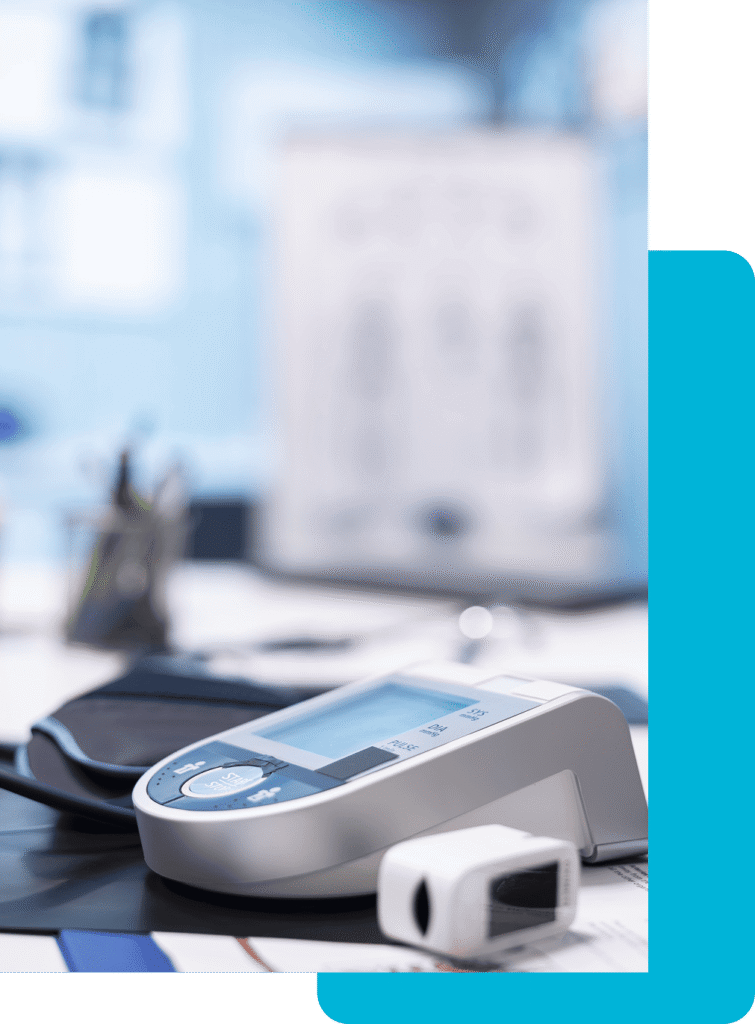
Sobel brings together data, material knowledge, and scientific rationale to support a structured biological evaluation plan and report of medical devices.

A medical device biological evaluation plan defines the strategy, scope, and documentation pathway required to assess biological safety under ISO 10993.
Structured biological assessments help identify data gaps early, reducing uncertainty and avoiding unnecessary testing.
Well-documented biological evaluation supports clearer regulatory review and minimizes follow-up questions from authorities.
A well-defined biological evaluation pathway helps transform available data into a structured safety rationale, supporting clearer decisions and smoother regulatory review in Canada.
Biological evaluation is not a single document, but a process composed of distinct, interconnected steps. Depending on data availability and regulatory objectives, manufacturers may follow different biological evaluation pathways, combining planning, gap assessment, risk analysis, and final reporting.
This combined service supports manufacturers seeking a complete and coherent biological evaluation pathway, from strategy definition to documented safety justification.
The Biological Risk Assessment provides a critical analysis of biological risks, based on toxicological parameters and data supplied by the manufacturer.
The Gap Analysis evaluates available documentation against the data set required to assess biological safety. It identifies missing or insufficient data, assesses their relevance to biological and toxicological risk, and supports informed decisions on how to complete the biological assessment.
Ongoing technical support for defining and refining biological evaluation strategies under the ISO 10993 series. Manufacturers receive expert guidance and a biological assessment strategy document.
Sobel supports each step individually or as part of an integrated strategy. Depending on your registration pathway, you may also require:
Sobel provides flexible biological safety support, allowing manufacturers to engage the services that best match their current stage while maintaining alignment across the full evaluation lifecycle. Talk to us and let our team support your pathway to Canadian compliance.
1. Is a medical device biological evaluation required for Health Canada submissions?
Health Canada expects manufacturers to demonstrate that their medical devices are biologically safe for their intended use. While specific documents such as a BEP or BER are not always named as mandatory, a structured biological evaluation aligned with ISO 10993 is commonly required to support safety justification.
2. What is the role of a medical device biological evaluation plan (BEP)?
The medical device biological evaluation plan defines the strategy for assessing biological safety. It outlines device categorization, evaluation phases, and the documentation pathway, ensuring a structured and traceable approach before risk assessment and reporting.
3. What is the difference between Biological Risk Assessment (BRA) and Biological Evaluation Report (BER)?
The BRA focuses on critical analysis of biological risks based on available toxicological and biological parameters. The BER is a broader document that compiles all relevant data and analyses to support biological safety conclusions and regulatory review.
4. When is a Gap Analysis needed?
A Gap Analysis is useful when manufacturers are unsure whether existing data are sufficient to support biological safety. It helps identify missing or incomplete information and supports informed decisions on next steps without committing prematurely to additional testing.
5. Can Sobel help if I am unsure which biological evaluation service applies to my device?
Yes. You can count on Sobel to help assess your device classification, documentation status, and regulatory goals to identify the most appropriate biological evaluation pathway.
To provide the best experiences, we use technologies such as cookies to store and/or access device information. Consenting to these technologies allows us to process data such as browsing behavior or unique IDs on this site. Not consenting or withdrawing consent may negatively affect certain features and functions.

Subscribe to our newsletter to receive the latest updates and insights.
You may unsubscribe at any time using the link in our newsletter.