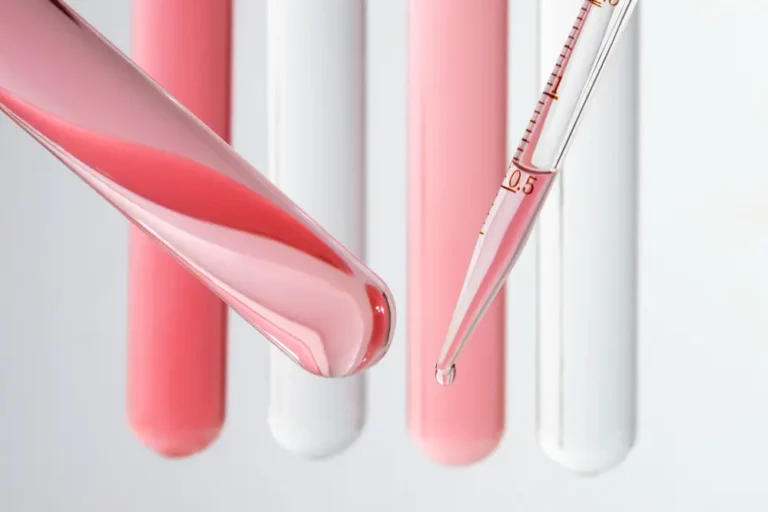
The FDA has published a new guideline aligned with ICH Q3E to support the assessment of Extractables & Leachables (E&L), along with supporting documentation that includes monographs for so-called Class 3 leachables.
The document reinforces a risk-based approach—meaning it raises expectations around:
- the robustness of analytical studies,
- the establishment of exposure limits, and
- the rationale linking materials, manufacturing processes, and the product’s intended use.
In practice, this signals increased scrutiny of data traceability, scientific consistency, and toxicological rationale throughout the dossier. Especially in FDA submissions.
For manufacturers that rely on biocompatibility assessments, chemical risk evaluation, and material safety. This shift is likely to impact study planning, timelines, and documentation strategy.
Companies that proactively review their evaluation strategies—aligning studies, reports, and regulatory rationale with Q3E expectations—can reduce the risk of questions, additional information requests, and delays in the regulatory process. In addition, they can strengthen the overall technical quality of their submissions.
Click to check the guideline Q3E for Extractables & Leachables.
Health Canada Proposes Regulatory Changes for Medical Devices
In addition to the FDA’s new guideline on Extractables & Leachables, Health Canada has also proposed modernizing regulatory requirements for medical devices.
In this context, the Canadian agency has opened discussions on initiatives to update the country’s medical device regulatory framework. Potential adjustments may impact compliance processes and post-market surveillance.
This type of regulatory change deserves close monitoring, as it may influence timelines, evidence requirements, and licensing planning throughout the product life cycle.
Anvisa Updates Medical Device Regularization Manual
In Brazil, Anvisa has released a new version of the Medical Device Regularization Manual.
The manual consolidates updated guidance on classification, documentation requirements, and procedures for regulatory regularization in the country.
As a result, the material is expected to help reduce differing interpretations and support manufacturers in decision-making related to regulatory classification, documentation, and submission strategies.

China Publishes New Guidelines to Accelerate Cosmetic Market Entry
Moving beyond Brazil’s manual update and the FDA’s E&L guideline, China has published new guidelines aimed at stimulating innovation and accelerating market access for cosmetic products.
The measures seek to increase regulatory predictability, adjust evaluation processes, and incentivize innovative products.
As a result, brands considering international expansion (or already operating in the region) have another clear signal that the regulatory environment is evolving to balance speed and oversight.
Sobel Tip: ISO 10993-1 Guide for Medical Devices
Earlier, we discussed the assessment of Extractables & Leachables. But did you know this is part of a broader biocompatibility strategy structured around ISO 10993-1?
This standard is the foundation for biological and chemical risk evaluation of medical devices and guides how to define, justify, and document the testing strategy throughout the product life cycle.
Recently, the standard underwent important updates. To make the “before and after” easier to understand, we prepared an ISO 10993-1:2025 Guide.
Developed by Sobel’s Human Safety team, the guide explains what ISO 10993-1 looked like previously, what has changed, and what actions are expected from manufacturers. Best of all: it’s available as a free download!
Download now: just click here: https://sobelconsult.com/materiais/iso-10993-12025-guide
Why Do These Updates Matter?
These updates reinforce a global trend: increased technical rigor, a push for predictability, and continuous updates to regulatory requirements—whether in highly technical topics (such as Extractables & Leachables) or in structural changes to regulatory frameworks and operational guidance.
For companies operating in regulated markets, staying close to these developments is part of effective compliance planning.
And remember: if you want to receive these updates quickly, subscribe for free to the Sobel News Round Up and get everything that may impact your business delivered to your inbox.