
News: FDA and AI-Powered Medical Devices
Learn more about the FDA’s regulatory framework for AI-powered medical devices and other global recent updates.

Learn more about the FDA’s regulatory framework for AI-powered medical devices and other global recent updates.
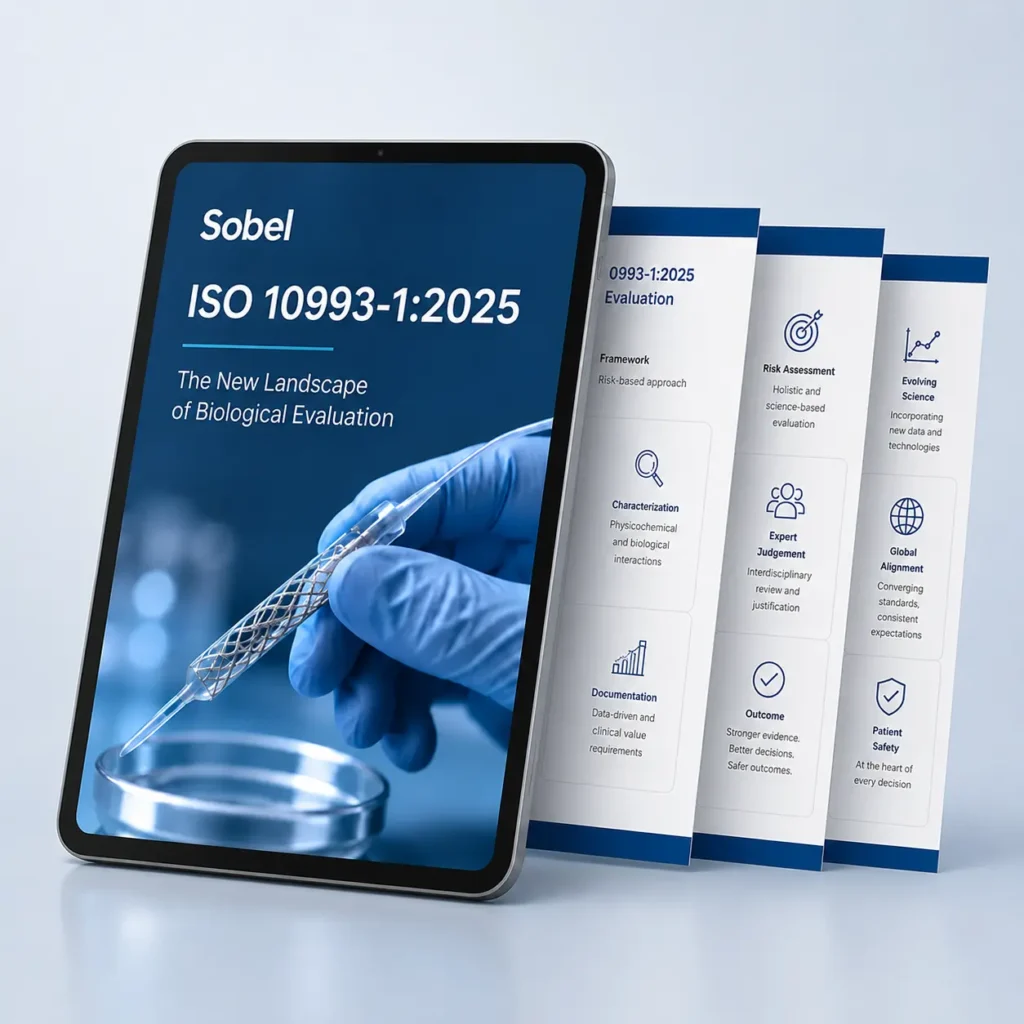
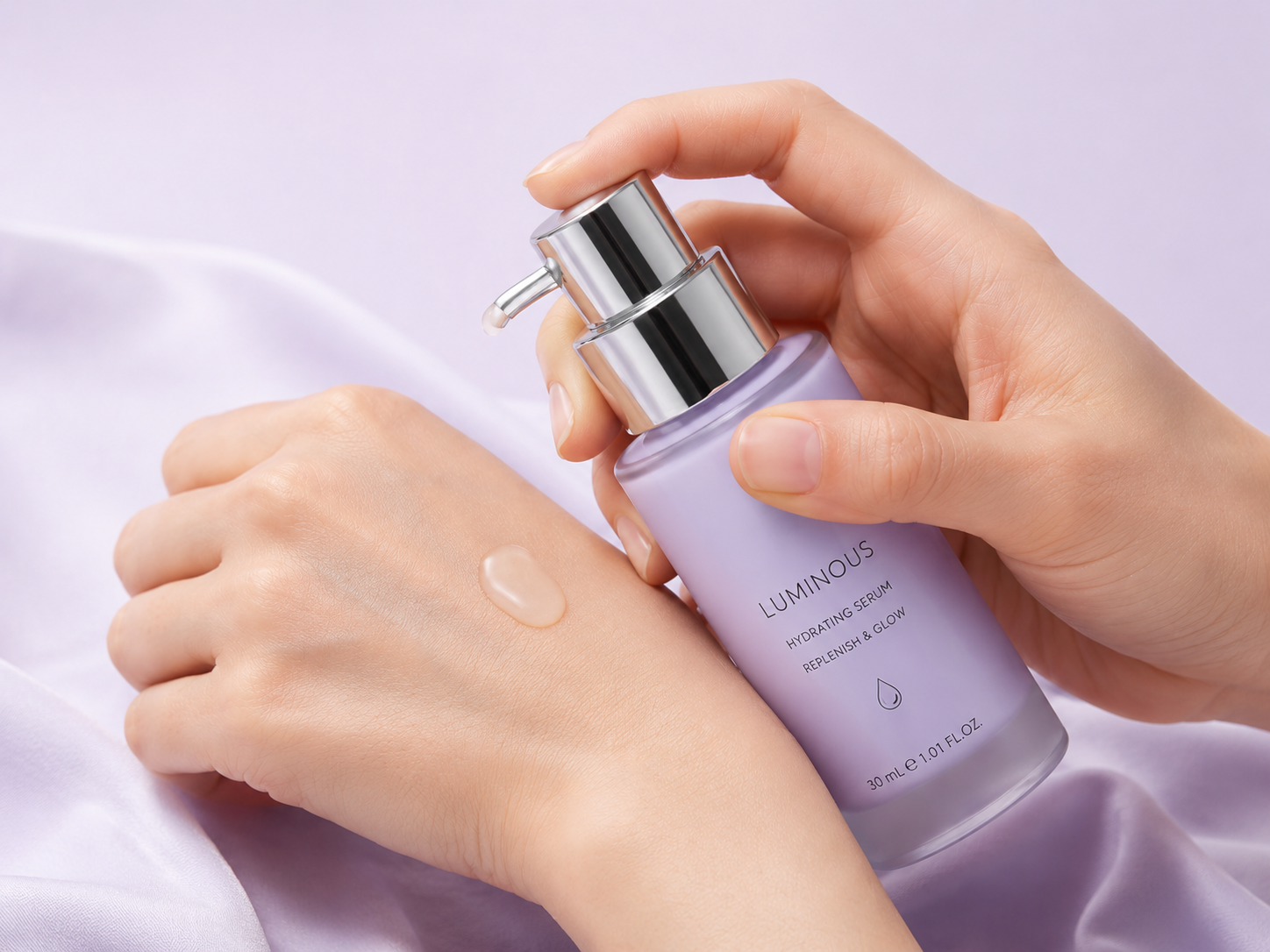
Understand how ANVISA’s RDC No. 1,030/2026 may impact cosmetic formulations, product portfolios, and regulatory compliance deadlines in Brazil.
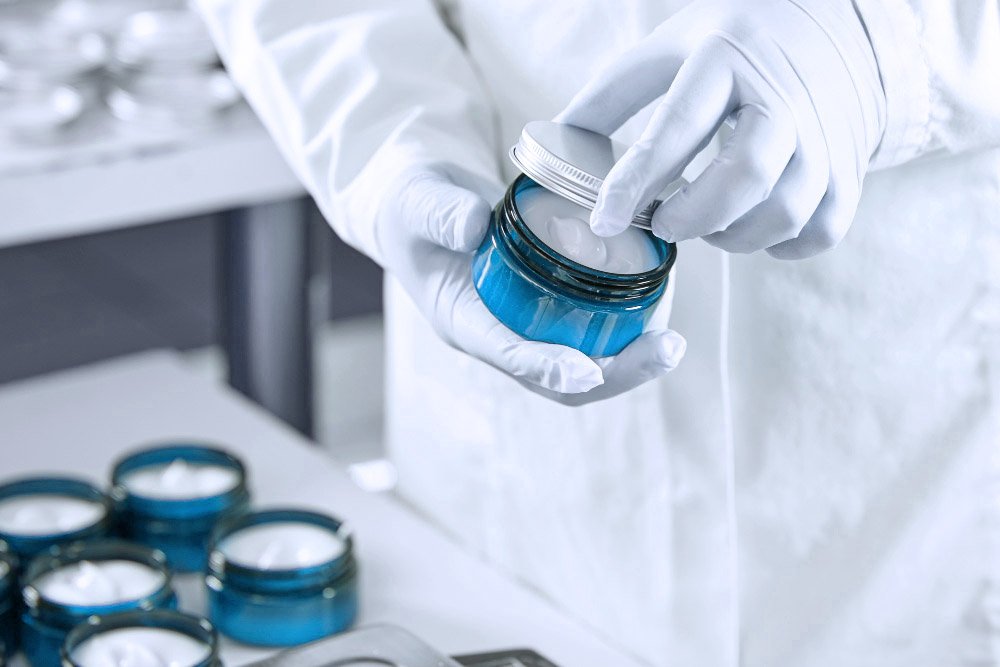
Anvisa advances its Regulatory Sandbox initiative for personalized cosmetics while global regulators strengthen post-market surveillance.
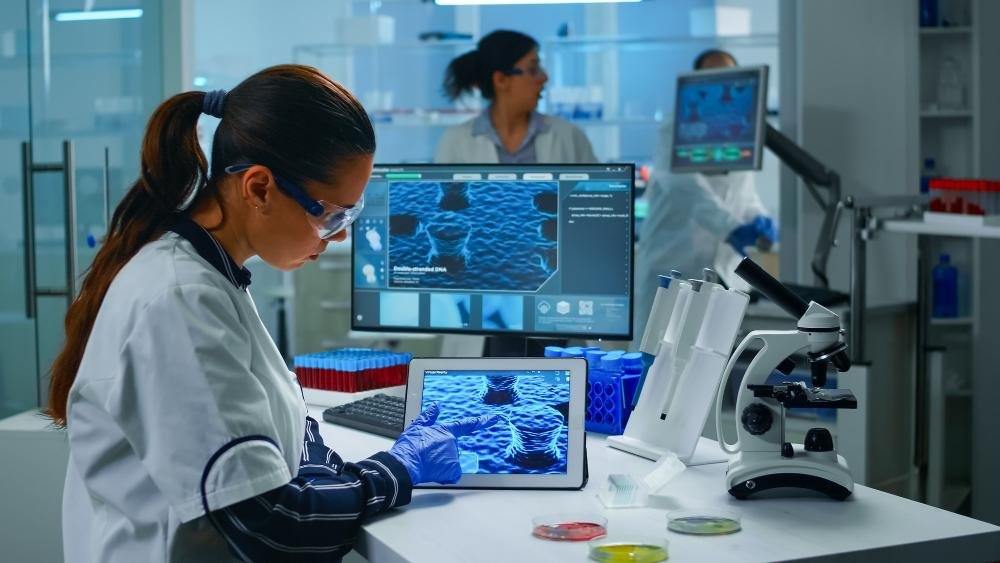
Learn more about the FDA’s regulatory framework for AI-powered medical devices and other global recent updates.

In the development and approval process of medical devices, three types of evaluations frequently appear in regulatory requirements: biological evaluation,

In addition to the MDR/IVDR review, unique device identification codes in China were given a final deadline. Learn more.
Alternatives for cosmetic animal testing advance with new FDA guidance and other global updates.
Learn how cosmetic registration works in the main global markets, including the U.S., EU, and Brazil, and plan a safe
Understand the concept of regulatory reliance and how initiatives from IMDRF, FDA, and Anvisa are impacting global regulation.

The UK regulatory authority opens a consultation on CE mark recognition and highlights other key global regulatory updates.
Learn more about the FDA’s regulatory framework for AI-powered medical devices and other global recent updates.