
Innovative Medical Devices in Brazil: How ANVISA’s 2026 Pilot Program Works
ANVISA has opened a new opportunity for manufacturers of innovative medical devices seeking a clearer regulatory path in Brazil. In August 2026, the Agency launched a

Updates, guidance and expert perspectives on regulatory affairs, compliance and market access across Brazil, the United States and Europe.

ANVISA has opened a new opportunity for manufacturers of innovative medical devices seeking a clearer regulatory path in Brazil. In August 2026, the Agency launched a

Learn more about the FDA’s regulatory framework for AI-powered medical devices and other global recent updates.

In the development and approval process of medical devices, three types of evaluations frequently appear in regulatory requirements: biological evaluation, clinical evaluation, and toxicological evaluation. Although
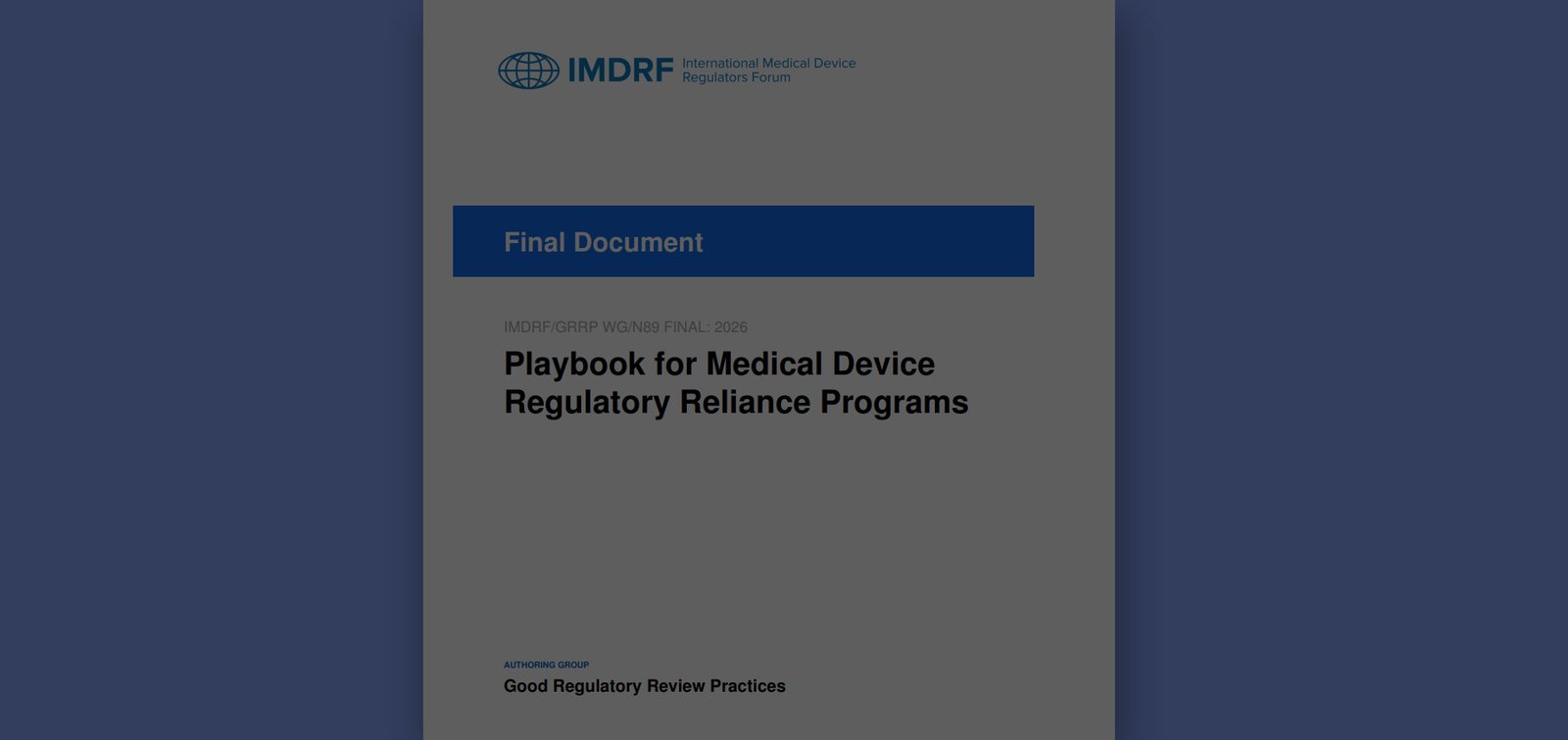
Understand the concept of regulatory reliance and how initiatives from IMDRF, FDA, and Anvisa are impacting global regulation.

Understand the impacts of the EU MDR IVDR on the European market and the key global regulatory movements shaping the future.

While the FDA strengthens cosmetic recalls, the EU and China are making important regulatory updates.

Learn how to navigate the Anvisa medical device registration process and bring your product to the Brazilian market with confidence.

Malaysia joins MDSAP, expanding global audits. Plus: FDA software guidance, IMDRF PCCP guideline, and Anvisa’s new import process.

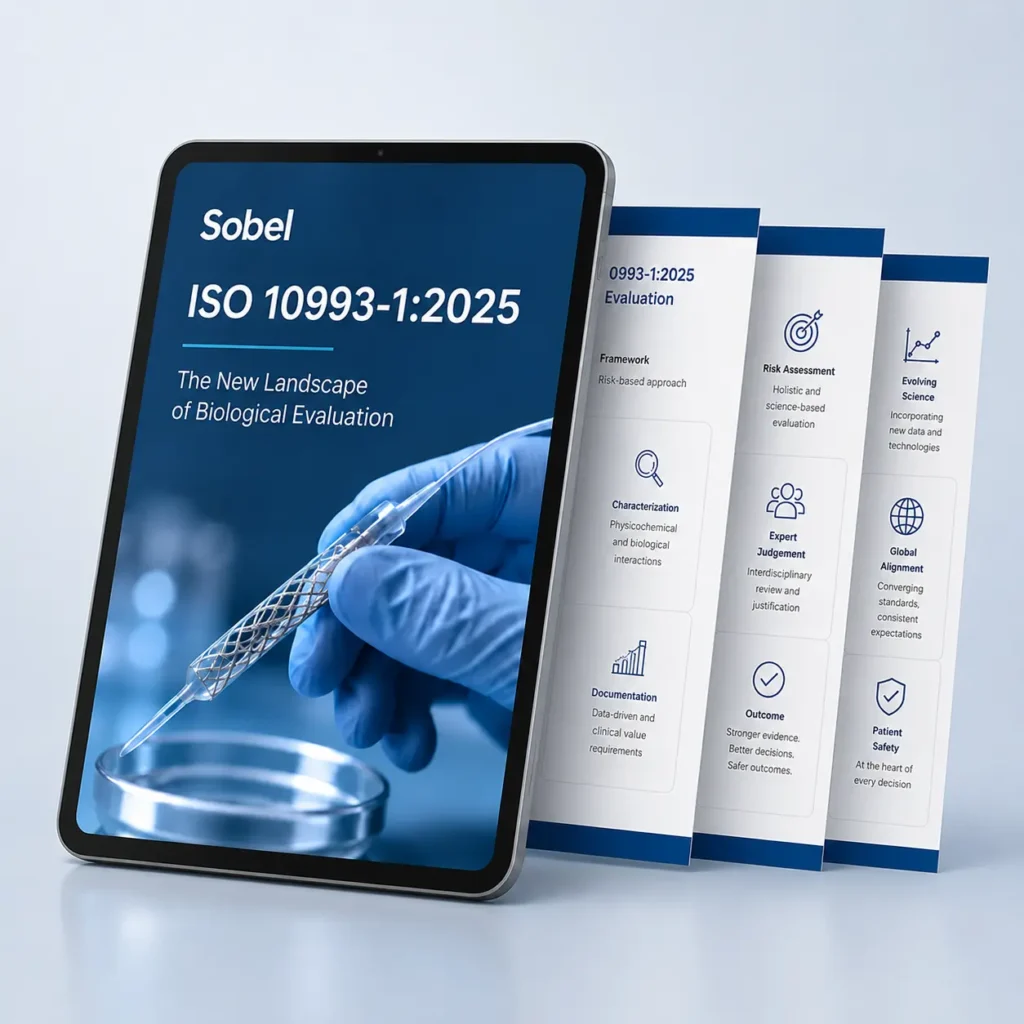
Key changes for your biocompatibility strategy.
A practical guide to understand the 2025 update and what it means for your medical device documentation.

ANVISA has opened a new opportunity for manufacturers of innovative medical devices seeking a clearer regulatory path in Brazil. In

Understand how ANVISA’s RDC No. 1,030/2026 may impact cosmetic formulations, product portfolios, and regulatory compliance deadlines in Brazil.

Anvisa advances its Regulatory Sandbox initiative for personalized cosmetics while global regulators strengthen post-market surveillance.

Learn more about the FDA’s regulatory framework for AI-powered medical devices and other global recent updates.

In the development and approval process of medical devices, three types of evaluations frequently appear in regulatory requirements: biological evaluation,

In addition to the MDR/IVDR review, unique device identification codes in China were given a final deadline. Learn more.

Alternatives for cosmetic animal testing advance with new FDA guidance and other global updates.

Learn how cosmetic registration works in the main global markets, including the U.S., EU, and Brazil, and plan a safe

Understand the concept of regulatory reliance and how initiatives from IMDRF, FDA, and Anvisa are impacting global regulation.

ANVISA has opened a new opportunity for manufacturers of innovative medical devices seeking a clearer regulatory path in Brazil. In

Learn more about the FDA’s regulatory framework for AI-powered medical devices and other global recent updates.

In the development and approval process of medical devices, three types of evaluations frequently appear in regulatory requirements: biological evaluation,

Understand the concept of regulatory reliance and how initiatives from IMDRF, FDA, and Anvisa are impacting global regulation.

Understand the impacts of the EU MDR IVDR on the European market and the key global regulatory movements shaping the future.

While the FDA strengthens cosmetic recalls, the EU and China are making important regulatory updates.

Learn how to navigate the Anvisa medical device registration process and bring your product to the Brazilian market with confidence.

Malaysia joins MDSAP, expanding global audits. Plus: FDA software guidance, IMDRF PCCP guideline, and Anvisa’s new import process.
To provide the best experiences, we use technologies such as cookies to store and/or access device information. Consenting to these technologies allows us to process data such as browsing behavior or unique IDs on this site. Not consenting or withdrawing consent may negatively affect certain features and functions.