
 Meet Sobel at MEDICA 2026·Düsseldorf, 16–19 Nov.Book a meeting with us →Book a meeting
Home › Solutions › Clinical Evidence & Product Safety
Clinical Evidence & Product Safety
Biological evaluation, chemical characterization, toxicology and clinical evaluation built as one line of evidence, aligned with the regulatory strategy from the start.

Is this for you?
In numbers
Sources: European Commission, notified body survey (data to February 2026); Team-NB, survey of European notified bodies, 2025 data; ISO 10993-1:2025.
The evidence chain
Every biological evaluation starts with a documented plan, and every plan starts with a gap analysis of the data you already have.
Already evaluated under ISO 10993-1:2018? Start with a gap analysis. We review your existing file and document what still holds. A new edition alone does not require re-testing.

Step 1 of 5
Always the first step: see what you already have, then plan what is missing.
Always required · ISO 10993-1:20251 · Gap analysis
What your data already covers and what is missing.
2 · Plan (BEP)
Biological effects to address and the evidence for each one.
Usually includes

Step 2 of 5
Identifies the substances that may be released from the device’s materials.
When the plan calls for chemical dataUsually includes

Step 3 of 5
Estimates whether patient exposure to each substance is acceptable.
When chemical data must be assessed for riskUsually includes

Step 4 of 5
Brings all the evidence together and concludes on biological safety.
Closes every biological evaluationUsually includes

Step 5 of 5
Shows, with clinical data, that the device is safe and performs as intended.
Every device · depth depends on class and marketUsually includes
The plan is a living document: it is refined as chemical and toxicological data come in.

Step 1 of 3
Checks every ingredient and concentration against each market’s rules.
Before notification or registrationUsually includes
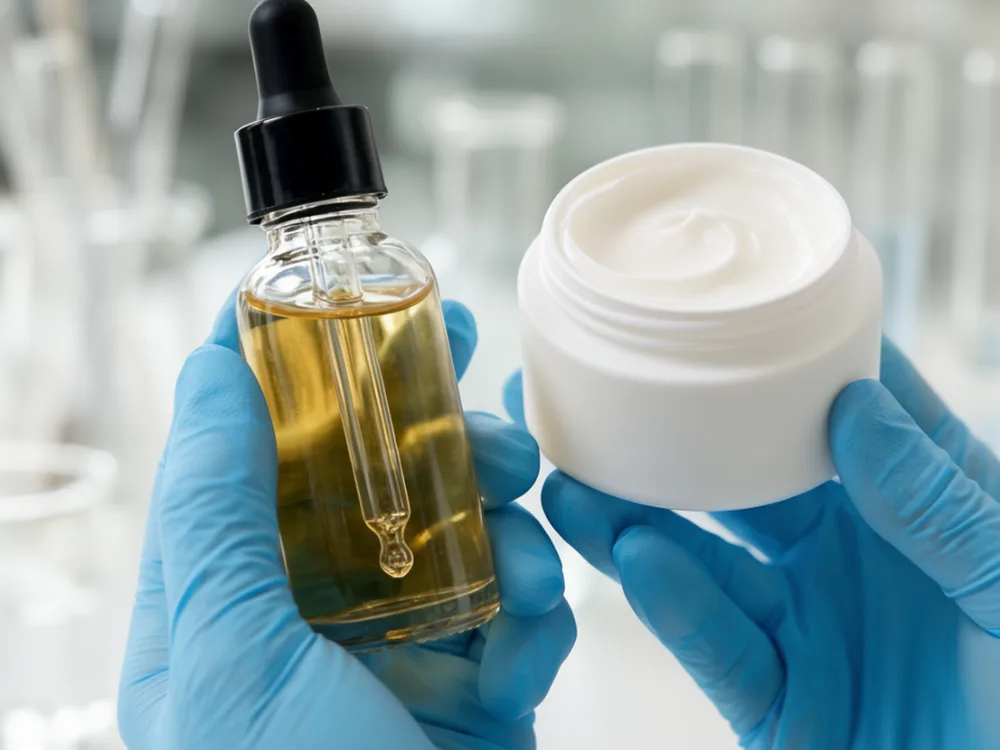
Step 2 of 3
Shows that the product is safe for consumers under normal or foreseeable use.
Before placing on the marketUsually includes
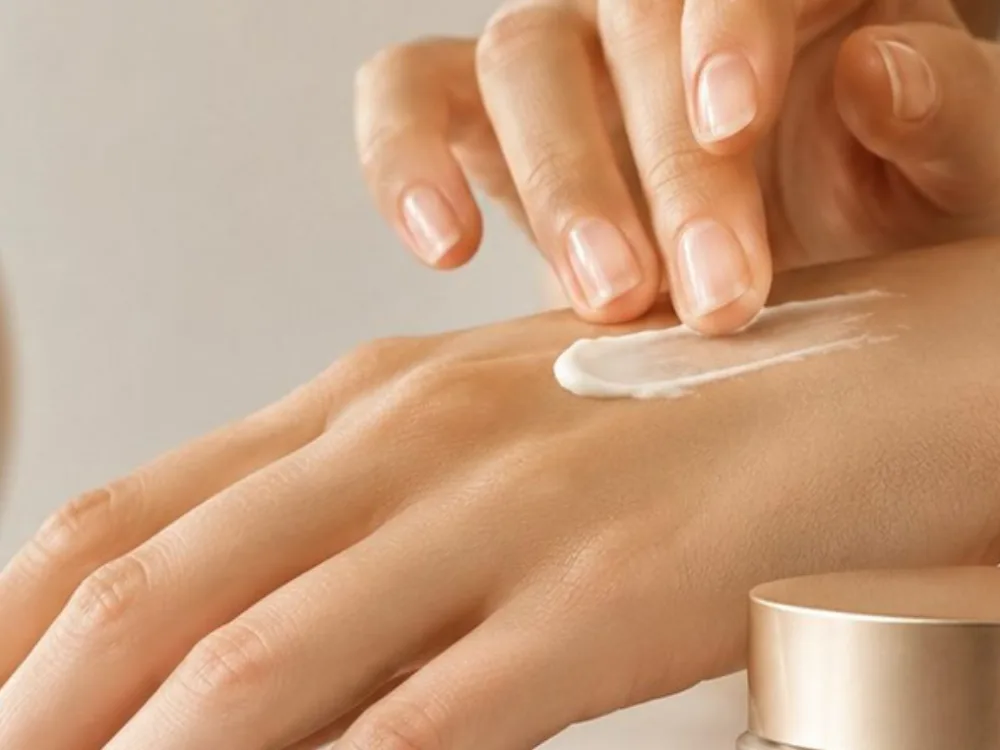
Step 3 of 3
Follows undesirable effects and formula changes after launch.
After launchUsually includes
In each market
The science is the same. What changes is the format and the level of evidence each market asks for.
Brazil · ANVISA
Medical devices
ANVISA usually asks for the biological evaluation in the technical dossier and for clinical evidence in proportion to the device class and risk.
Cosmetics
For cosmetics, the responsible company keeps the product safety data, and cosmetovigilance follows the post-market.
European Union · EU MDR
Medical devices
The MDR requires a clinical evaluation for every device, updated throughout its life cycle. Biocompatibility is usually assessed with the ISO 10993 series.
Cosmetics
Each cosmetic needs a safety report (CPSR) signed by a qualified safety assessor, kept in the product information file.
United Kingdom · MHRA
Medical devices
The UK follows a similar logic: biological evaluation with the ISO 10993 series and clinical evidence according to class.
Cosmetics
UK rules also require a cosmetic product safety report.
USA · FDA
Medical devices
The FDA has its own guidance on the use of ISO 10993-1, and the need for clinical data depends on the pathway: 510(k), De Novo or PMA.
Cosmetics
MoCRA requires the responsible person to keep substantiation of each cosmetic’s safety.
Canada · Health Canada
Medical devices
Health Canada asks for evidence of safety and effectiveness in proportion to the class, and the ISO 10993 series is usually the reference for biocompatibility.
Cosmetics
The manufacturer is responsible for the cosmetic’s safety and notifies the product to Health Canada.
The exact requirement depends on the product, the class and the route. We confirm it in your assessment.
Two teams, one dossier
The regulatory strategy defines what each market will ask. The safety evidence shows the product meets it. When both teams plan together, every test and every report has a clear destination from the start.
How we work
You follow every step in the Sobel Client Workspace.

Related

Questions, answered
Rules cited on this page: ISO 10993-1:2025 · ISO 10993-17 · ISO 10993-18 · ISO 14971:2019 · EU MDR · Regulation (EC) 1223/2009 · MoCRA
No. Tests are run by qualified labs, chosen by you or recommended by us. Sobel plans the strategy, coordinates the lab and interprets the results.
Not always. In general, a gap assessment shows what can be reused and what needs to be added. We confirm it in your assessment.
It is usually possible to start from a common base and adapt it to the format and level of evidence each authority asks for.
Yes, for medical devices, with literature review and equivalence analysis where applicable, aligned with what each market usually asks.
We support the safety assessment and coordinate the report with a qualified assessor, according to each market’s rules.