
Medical devices · Cosmetics
Your regulatory path to the United States.
Medical devices and cosmetics are regulated by the FDA. We define your pathway, prepare your files and act as your U.S. Agent.
Medical devices · Cosmetics · ISO 9001 certified in Brazil · Service in PT · EN · DE
WHERE YOU ARE COMING FROM
Two starting points, one market
First time in the U.S.
You are outside the United States and want to reach American customers with a clear plan.
- Your FDA pathway defined: 510(k), De Novo or PMA
- Establishment registration, with Sobel as your U.S. Agent
- Cosmetics: MoCRA registration, listing and safety substantiation
Already approved in another market
Your product is already on the market in Brazil or Europe and the U.S. is your next step.
- What can be reused from your ANVISA or CE file
- Gaps against FDA rules and the QMSR, based on ISO 13485
- Labels and claims adapted to U.S. requirements
What are you bringing to the U.S.?
Each product follows its own FDA rules. Pick yours for the full path.
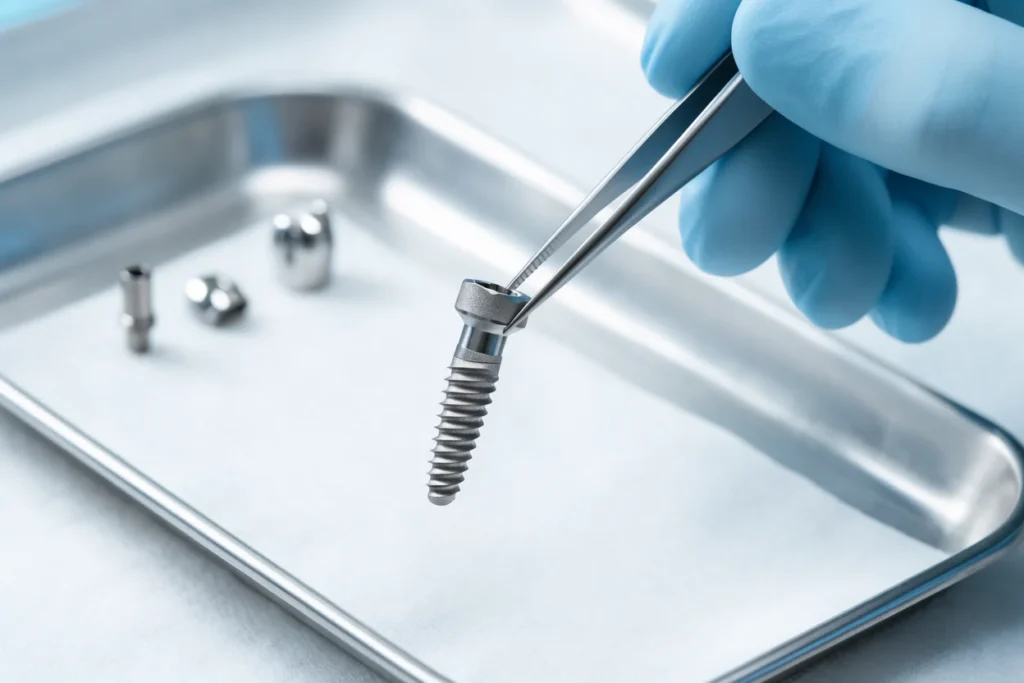

Medical Devices
Equipment, implants and software, from pathway choice to FDA submission.
SERVICES IN THE UNITED STATES
Everything we do for the U.S. market
Strategy, documentation and representation before the FDA, in one team.
Regulatory strategy and FDA pathway
Classification, product code and the right route: 510(k), De Novo or PMA.
510(k), De Novo and PMA submissions
Submission file and answers to FDA requests.
Quality system (QMSR)
21 CFR 820, now aligned with ISO 13485, plus audits.
Biological and clinical evaluation
ISO 10993 and clinical evidence for the FDA.
MoCRA registration and listing
Facility registration and product listing with the FDA.
Safety substantiation and labelling
Safety evidence and labels that follow FDA rules.
U.S. Agent
Sobel acts as your U.S. Agent before the FDA.
Ongoing support
Monthly support for changes, renewals and FDA updates.
Why Sobel
Regulation as a business decision, not a checklist.
Four disciplines work on every project, in the same team, from the first decision to post-market.
Strategy
Classification and market sequence decided first. The right class from day one avoids rework.
Science in house
Biological, clinical and toxicological evaluation by our own Clinical Evidence & Product Safety team.
Regulatory, five markets
ANVISA, FDA, EU MDR, MHRA and Health Canada, coordinated together.
Technology
A dedicated technology team builds the workflows that keep every project traceable and on time.
“We know how auditors think, because we’ve been one of them.”

Maik Endler
Founder & CEO
- Mechanical engineer, trained in Germany
- Former BSI auditor (Notified Body)
- Industry experience at Sirona (now Dentsply Sirona)
FAQ · UNITED STATES
What companies ask before entering the U.S.
Short answers for medical devices and cosmetics. Each product page goes into the details.
Ask your question →Who regulates medical devices and cosmetics in the U.S.?
Both are regulated by the FDA (U.S. Food and Drug Administration) under the Federal Food, Drug, and Cosmetic Act. For cosmetics, the Modernization of Cosmetics Regulation Act of 2022 (MoCRA) added facility registration, product listing and safety substantiation.
Do I need a U.S. Agent?
For medical devices, yes. Foreign establishments must identify a U.S. Agent when they register with the FDA (21 CFR 807.40). Sobel acts as your U.S. Agent. For cosmetics, we check what representation your case needs. Learn about the U.S. Agent service.
Which FDA pathway does my device need?
It depends on the device classification. Most Class II devices need a 510(k), new lower-risk devices without a predicate may follow De Novo, and most Class III devices need a PMA. Some devices are exempt from premarket submission. Defining the pathway is the first step.
What changed with the FDA QMSR?
Since 2 February 2026, the Quality Management System Regulation (21 CFR 820) incorporates ISO 13485:2016 by reference. An ISO 13485 system is a strong base, but FDA-specific requirements still apply.